

Living in Massapequa Park, NY, means embracing an active lifestyle—whether you’re jogging at Marjorie Post Park, working in a nearby office, or enjoying family activities along the South Shore. Amidst all the movement and recreation, your spinal health is crucial for maintaining mobility, comfort, and overall well-being. At the heart of a strong, healthy back lies the often-overlooked powerhouse: your core muscles.
Why Core Strength is Essential for Spinal Health
Your core is more than just your abdominal muscles; it includes all the muscles connecting your pelvis, lower back, hips, and abdomen. These muscles work in concert to stabilize your spine, support good posture, and facilitate nearly every movement—from picking up groceries at Massapequa Park’s local shops to biking along the Bethpage Bikeway.
A strong core can help:
- Prevent back pain and injuries
- Improve balance and posture
- Enhance athletic and workplace performance
- Support daily activities and recreational pursuits
Understanding the Core-Spine Relationship
The core works as a natural brace for the spine. Imagine your spine as a flagpole and your core as the ropes securing it. If the ropes are weak or loose, the flagpole wobbles and is more susceptible to damage. Similarly, a weak core means your spine lacks the support it needs, making you more vulnerable to sprains, strains, and chronic discomfort.
In Massapequa Park, where residents often balance busy family lives, work commutes, and recreational outings, a robust core empowers you to move with confidence and less risk of injury.
Local Lifestyles and Spinal Strain: Common Scenarios
Many people in Massapequa Park enjoy outdoor activities, from kayaking on the Great South Bay to gardening on the weekend. These activities, while healthy, can sometimes strain your back if your core is underdeveloped.
Common spine stressors include:
- Sitting for hours at a desk (common among commuters to NYC)
- Lifting heavy sporting equipment or garden supplies
- Enjoying long walks at local parks without proper posture
- Playing with children or grandchildren
By having a strong core, these activities become more enjoyable and less likely to cause injuries.
Signs Your Core Needs Strengthening
Not sure if your core is as strong as it should be? Watch for these indicators:
- Frequent low back pain or discomfort after mild activity
- Poor posture, especially when seated or standing for long periods at local events or at work
- Difficulty balancing, such as wobbling during exercise or when stepping onto uneven ground in park trails
- General weakness or fatigue in the lower back or hips
If you can relate, it’s a sign that focusing on core strength should become part of your self-care routine.
Easy Core Exercises for Massapequa Park Residents
You don’t need a gym membership to start strengthening your core—many exercises can be performed at home or even outdoors at your favorite Massapequa Park venue.
Consider these core-strengthening moves:
- Planks: Hold a push-up position with your body in a straight line. Engage your abdominal muscles and hold for 20-60 seconds.
- Bird-Dog: On all fours, extend one arm and the opposite leg, hold, then switch. This move activates both your core and lower back.
- Standing Core Twist: Stand with feet hip-width apart, clasp hands, and rotate your torso from side to side. Great for activating the obliques.
These exercises are safe for most people, require no special equipment, and can easily be adapted to your physical ability.
How Chiropractic Care Complements Core Strength
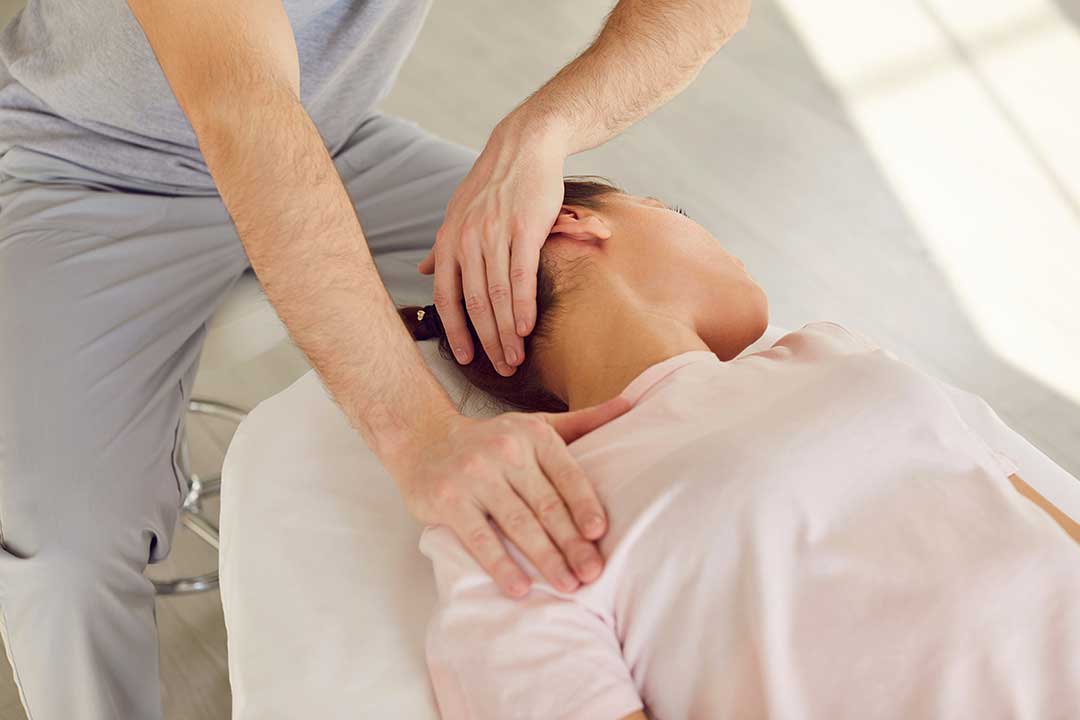
As a trusted chiropractor serving the Massapequa Park community, I frequently see patients who experience recurring back discomfort due to a weak core. Chiropractic care works hand-in-hand with core strengthening by:
- Correcting spinal misalignments
- Relieving tension and inflammation
- Providing personalized exercise and posture recommendations
A combined approach of chiropractic adjustments and core training can quickly alleviate discomfort, restore mobility, and prevent future injuries—helping you enjoy everything our vibrant community has to offer.
Tips to Integrate Core Care into Your Busy Life
Living in Massapequa Park means always being on the go, so making time for your core health is important:
- Set reminders to take hourly stretch breaks, especially if you commute or work long hours at a desk.
- Involve friends and family in group walks or exercise sessions at local parks.
- Practice good posture whether you’re at the town library, out shopping, or socializing with neighbors.
- Consider a posture-supportive chair or standing desk if you work remotely.
Investing in Your Spinal Future
Prioritizing core strength is one of the most effective ways to support your spine and, by extension, your entire body. Not only does it safeguard you from aches and injuries, but it also helps you get more out of the active, community-centered lifestyle cherished in Massapequa Park.
If you’re experiencing back pain or want guidance on starting a safe core routine, consult with a health professional. And remember, a strong core means more energy, less discomfort, and a greater ability to enjoy all that Massapequa Park has to offer—from its peaceful parks to bustling local events.
Frequently Asked Questions about Core Strength and Spinal Health
Q: How often should I work on my core for spinal health?
A: Most people benefit from core strengthening exercises 3-4 times a week. Even 10-15 minutes per session can make a difference.
Q: Can strong abs alone protect my spine?
A: Not exactly—your core includes your back, hips, and pelvic muscles. Balanced core strength across these areas is key for full spinal support.
Q: Is there a best age to start strengthening the core?
A: Core exercises can benefit people of all ages, from active teens to older adults. It’s never too late to improve core health.
Focusing on your core is an investment in your active, pain-free lifestyle in Massapequa Park—now and for years to come.
