
What Is Referred Pain and Why Does It Happen?
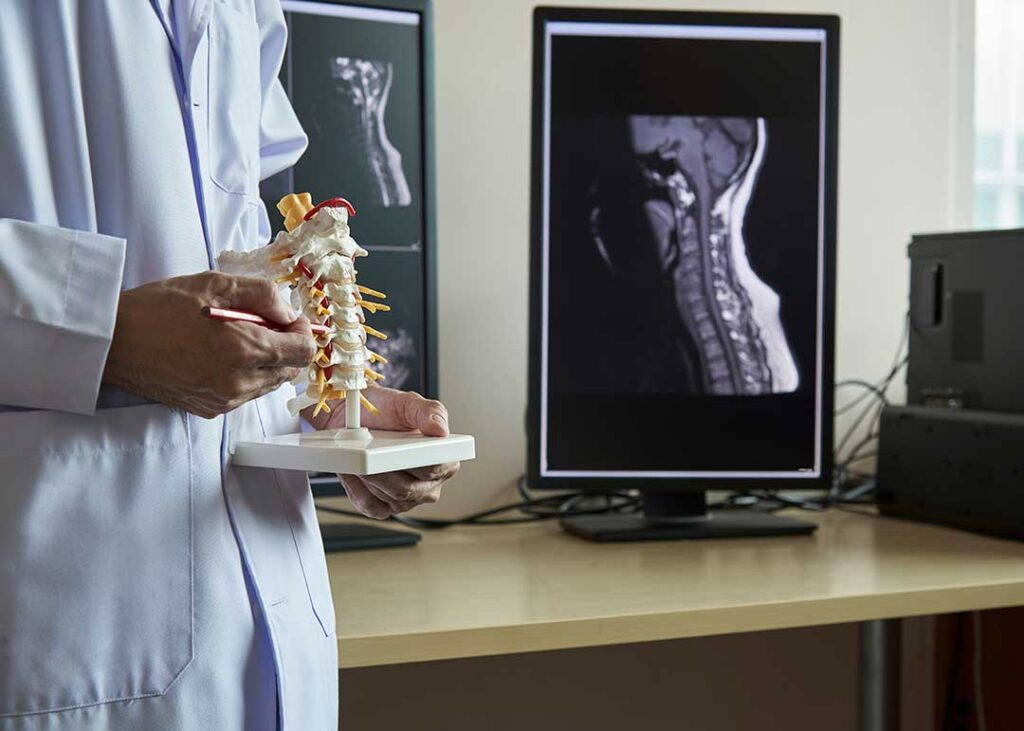
Referred pain is discomfort felt in a part of the body other than the actual source of the problem. Unlike localized pain, which matches the area of injury or strain, referred pain occurs when nerve signals from one region are misinterpreted by the brain as coming from a different location.
This phenomenon can make it tricky to identify the underlying cause of discomfort. For example, a problem in the lower back might result in pain being felt down the leg—a pattern familiar to many area residents navigating daily routines, commutes, or common household tasks.
What Causes Referred Pain?
Referred pain often relates to the way nerves are organized in the body:
- Nerves from different areas may share the same pathway to the spinal cord.
- Irritation or injury to muscles, joints, or internal organs can confuse the body's pain mapping.
- The brain sometimes interprets nerve signals based on commonly overlapping routes.
Examples include pain from a strained back muscle that appears in the buttocks or pain in the arm related to a neck issue.
How Do You Know Pain Is Referred and Not Localized?
Referred pain doesn't always match the spot of injury. Some telltale signs help distinguish it:
- The area of pain doesn’t seem swollen, bruised, or visibly injured.
- Movement of a distant joint or muscle triggers pain elsewhere.
- Pain patterns don't match a typical injury (for example, shoulder pain coming from the upper back).
In communities like Massapequa Park, where residents take part in gardening, recreational sports, and seasonal outdoor work, it’s not uncommon for individuals to experience hip or thigh discomfort that traces back to spinal issues or postural strain.
What Conditions Commonly Cause Referred Pain Addressed by Chiropractors?
Several musculoskeletal conditions are known to create referred pain patterns:
- Sciatica: Usually starts at the lower spine and radiates down the leg.
- Cervical radiculopathy: Begins in the neck, sometimes causing pain or tingling in the arms or hands.
- Trigger points: Tight bands in muscle tissue (often in the back or shoulders) can refer pain to the head, chest, or farther down the body.
- Joint dysfunction: Issues in the spine or pelvis may refer pain to neighboring muscles or limbs.
Households in the area often notice these issues following activities such as shoveling after a winter storm, moving furniture, or repetitive bending during yardwork.
How Can Chiropractic Approaches Address Referred Pain?
Chiropractic care typically aims to locate and address the root cause of referred pain. This may involve:
- Assessing spinal alignment and joint movement.
- Checking for nerve irritation or pressure along the spine.
- Using adjustments, soft-tissue techniques, or gentle mobilization to reduce nerve interference.
Chiropractors often include movement screening or postural assessments, which help pinpoint whether pain in one area is linked to structural imbalances elsewhere.
By improving the function of the affected nerves and joints, referred pain may be reduced even if the actual treatment site is different from where pain is felt. Residents often report improvement in areas like sleep comfort, walking, or gardening posture after addressing the origin of their symptoms.
What Mistakes Do People Make When Managing Referred Pain?
A common misconception is that pain must always be treated where it’s felt. This can lead to:

- Overuse of topical creams or heat packs on the wrong area.
- Ignoring warning signs if visible injury isn't present.
- Repeatedly stretching or massaging the painful area without benefit.
Another frequent oversight is delaying evaluation, hoping discomfort will resolve on its own. While minor strains sometimes do, ongoing or severe symptoms should prompt a proper assessment, especially if pain radiates or is accompanied by weakness, tingling, or numbness.
How Can Residents of Massapequa Park Minimize Their Risk?
Simple steps can reduce the likelihood of developing referred pain:
- Maintain regular movement, especially with sedentary work or long drives.
- Use ergonomic setups for home offices or yardwork.
- Warm up before strenuous tasks like shoveling, planting, or carrying heavy items.
- Pay close attention to body mechanics during activities common in the community.
Individuals in Massapequa Park often benefit from community exercise programs, gentle stretching routines, or seasonal reminders about safe lifting and posture as the weather changes.
When Does Referred Pain Require Further Evaluation?
While many cases are musculoskeletal and resolve with conservative care, further evaluation may be necessary if:
- Pain is severe, sudden, or does not improve with rest and activity modification.
- There is loss of muscle strength, changes in sensation, or problems with bladder or bowel control.
- Symptoms are accompanied by unexplained weight loss or fever.
These scenarios may point to underlying causes needing medical attention beyond manual therapy.
What Should Local Residents Know About Managing and Preventing Referred Pain?
Awareness of referred pain helps demystify unusual pain patterns that can arise from both active and sedentary lifestyles. Residents benefit from understanding the difference between treating symptoms and addressing underlying causes.
Prevention is often rooted in good movement habits, ergonomic awareness, and staying alert to how the body responds to repetitive or seasonal activities. Responding early to discomfort—especially when pain shows up in a different area than expected—reduces the risk of chronic irritation or compensation injuries.
