

Growing older does not automatically mean losing mobility. Stiffness, joint pain, reduced balance, and fear of falling can make ordinary activities—walking, turning, standing from a chair, or reaching overhead—more difficult. Chiropractic care may help some older adults move more comfortably, particularly when it is used as part of a broader plan that includes exercise, medical evaluation, and fall-prevention strategies.
What does chiropractic care aim to improve in older adults?
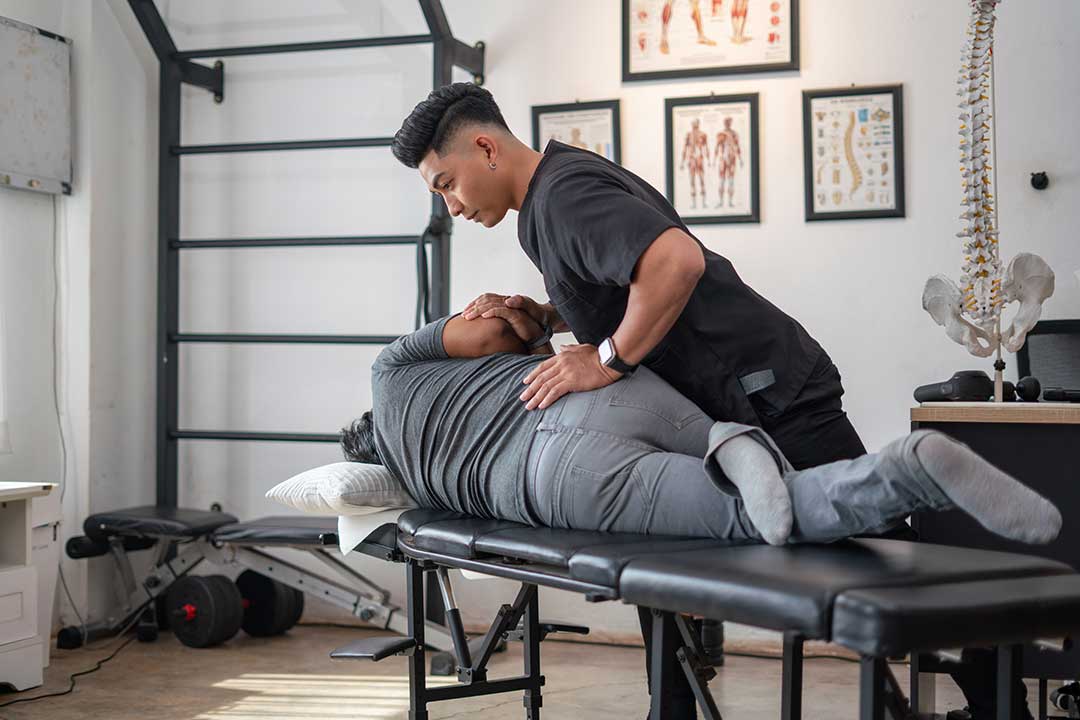
Chiropractic care generally focuses on the muscles, joints, and nervous system involved in movement. Depending on a person’s condition, care may include gentle joint mobilization, spinal manipulation, soft-tissue techniques, posture guidance, and recommendations for mobility or strengthening exercises.
The practical goal is not simply to “realign” the spine. It is to improve function, reduce movement-related discomfort, and help a person participate more safely in daily activities. For an older adult, that might mean walking farther, getting out of a vehicle with less difficulty, or turning the head more easily while checking for traffic.
Research involving older adults suggests that manual treatment may contribute to improvements in pain and function for some musculoskeletal conditions, although the quality and size of studies vary. Evidence is stronger for selected pain and mobility outcomes than for claims that chiropractic care prevents falls or reverses age-related decline. ([pubmed.ncbi.nlm.nih.gov](https://pubmed.ncbi.nlm.nih.gov/28302309/?utm_source=openai))
How can joint treatment support better mobility?
Joint stiffness can change the way a person walks and performs routine tasks. For example, limited movement in the lower back or hips may cause shorter steps, while neck stiffness may make it harder to look over a shoulder. Discomfort can also lead someone to avoid activity, which may gradually reduce strength and confidence.
Care directed at restricted or painful areas may help by:
- Reducing discomfort during movement
- Improving short-term joint motion
- Making it easier to perform prescribed exercises
- Supporting a more natural walking pattern
- Decreasing the tendency to guard or stiffen the body
These effects are not guaranteed, and they depend on the cause of the limitation. Arthritis, a fracture, nerve compression, an inflammatory condition, or an untreated medical problem may require a different approach. Mobility should be assessed by the person’s overall health history rather than by symptoms alone.
Does chiropractic care improve balance or prevent falls?
It may support some factors related to balance, but chiropractic care should not be presented as a stand-alone fall-prevention treatment. Balance depends on leg strength, vision, inner-ear function, sensation in the feet, reaction time, medications, footwear, and the safety of the home environment.
A systematic review found that chiropractic care has potential to influence mobility, gait, flexibility, pain, and proprioception—the body’s awareness of position—but also concluded that direct evidence showing fewer falls is limited. Many available studies were small or not specifically designed to measure fall prevention. ([pmc.ncbi.nlm.nih.gov](https://pmc.ncbi.nlm.nih.gov/articles/PMC9442928/?utm_source=openai))
For local households, seasonal conditions can add practical concerns. Wet entryways, icy walkways, dim stairwells, loose rugs, and cluttered paths can make a mobility problem more hazardous. Addressing these conditions may be as important as improving joint movement.
A well-rounded fall-prevention plan may include:
- Strength and balance exercises approved for the individual
- A review of medications that cause dizziness or drowsiness
- Vision and hearing checks
- Properly fitted shoes
- Better lighting on stairs and near entrances
- Handrails and stable support surfaces
- Evaluation of any recent fall or unexplained loss of balance
What might a typical evaluation involve?
A careful evaluation should begin with health history, current symptoms, medications, previous injuries, bone health, and any history of falls. Movement may be observed during walking, sitting, standing, turning, or bending. The purpose is to identify whether the problem appears mechanical or whether it may require medical referral.
Older adults may need a more cautious approach because osteoporosis, spinal stenosis, joint replacement, blood-thinning medication, balance disorders, and other conditions can affect treatment decisions. Care may involve low-force techniques or mobilization rather than rapid thrusting movements.
The best treatment plan should also identify a measurable functional goal. Examples include standing from a dining chair more comfortably, walking around the block, or rotating the neck enough to check both directions safely. Tracking function helps determine whether care is useful rather than relying only on temporary changes in pain.
Are chiropractic adjustments safe for seniors?
Many older adults tolerate appropriately selected chiropractic treatment, but safety depends on screening, technique, and the person’s medical condition. Mild soreness, stiffness, headache, fatigue, dizziness, or a temporary change in symptoms can occur. A recent review of adverse events in older adults reported mostly mild or moderate effects, while also noting limitations in how safety events were measured. ([pmc.ncbi.nlm.nih.gov](https://pmc.ncbi.nlm.nih.gov/articles/PMC13104207/?utm_source=openai))
Certain situations require caution or may make spinal manipulation inappropriate. These include severe osteoporosis, suspected fracture, spinal cancer, significant numbness or weakness, serious infection, unstable joints, or certain neurological and vascular conditions. Neck manipulation deserves particular care because rare but serious complications have been reported. ([mayoclinic.org](https://www.mayoclinic.org/tests-procedures/chiropractic-adjustment/about/pac-20393513?utm_source=openai))
Urgent medical assessment is more appropriate than routine manual care when mobility loss is sudden or accompanied by:
- New weakness or numbness
- Loss of bladder or bowel control
- Severe or unexplained pain
- Fever or significant illness
- Chest pain, fainting, or shortness of breath
- A recent fall with possible head, hip, or spinal injury
- New confusion or difficulty speaking
How does chiropractic care fit with exercise and medical care?
Chiropractic treatment is most useful for mobility when it complements—not replaces—active rehabilitation. Exercise helps maintain the strength, endurance, coordination, and confidence needed for lasting functional improvement. Physical therapy may be especially valuable for gait training, post-surgical recovery, neurological conditions, and structured balance work.
A primary care clinician, orthopedic specialist, neurologist, physical therapist, or pharmacist may also need to be involved depending on the symptoms. Communication matters when an older adult has multiple health conditions or takes several medications.
A reasonable plan should be reassessed if there is no meaningful improvement in comfort or function. Repeated passive treatment without progress toward daily activity goals is unlikely to address every cause of declining mobility.
What questions should older adults ask before treatment?
Residents considering chiropractic care can ask:
- What condition appears to be limiting my movement?
- Which techniques are being considered, and why?
- Are there reasons I should avoid manipulation?
- How will progress be measured?
- What exercises or home activities are appropriate?
- Should another clinician evaluate my symptoms first?
- What symptoms would require prompt medical attention?
For older adults, better mobility usually comes from several modest supports working together: appropriate treatment for pain or stiffness, regular strengthening and balance activity, safe footwear, medication review, and a home environment that reduces hazards. Chiropractic care may have a role within that broader framework, but its value should be judged by safer, more comfortable function in everyday life.
