
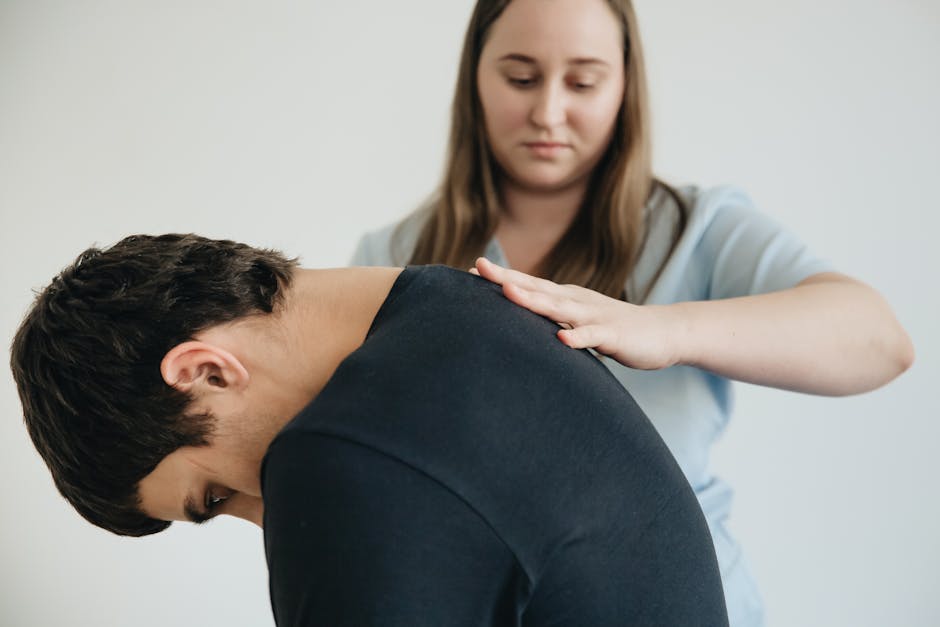
Living in the vibrant community of Massapequa Park, New York, means balancing a dynamic lifestyle, from scenic walks at Brady Park to long commutes on the LIRR. Yet, many residents find that persistent muscle aches sometimes dampen their daily routine or slow them down—often without an obvious cause. This nagging discomfort could be due to something called "trigger points," a common but sometimes misunderstood muscle issue. Let’s explore what trigger points are, why they hurt, and how people in Massapequa Park can find relief.
What Are Trigger Points?
Trigger points, often described as muscle "knots," are specific, hyper-irritable spots within tight bands of muscle or fascia. Unlike general muscle soreness, trigger points can cause intense, localized pain and may even refer pain to other parts of the body. For example, a trigger point in your neck muscles might make you feel pain radiating up towards your head or down into your shoulder blade.
Common Symptoms of Trigger Points
- Aching or burning sensations in one or more muscle groups
- Stiffness or limited range of motion, sometimes mistaken for joint issues
- Local tenderness you can feel with your fingers—a “knot” or bump in the muscle
- Radiating or referred pain to areas farther from the actual knot
Why Are Trigger Points Common in Massapequa Park?
Life in Massapequa Park offers both the joys and stresses of suburban living. Many residents enjoy outdoor activities, such as jogging along the Massapequa Preserve or playing sports at Colleran Park. These activities, while healthy, can occasionally lead to muscle overuse, resulting in the development of trigger points—especially if proper warm-up or cool-down stretches are overlooked.
Other lifestyle factors also contribute:
- Desk jobs and commuting: Many locals work office-based jobs or commute to New York City, increasing the risk of poor posture—particularly in the neck, back, and shoulders.
- Seasonal yard work: Gardening or landscaping, popular among homeowners here, involves repetitive motions that can strain certain muscle groups.
- Stress: Everyday stresses, from juggling children's busy sports schedules to managing household responsibilities, can cause unconsciously tensed muscles, further promoting trigger point formation.
What Causes Trigger Points?
Trigger points can develop for a variety of reasons, including:
- Repetitive Use: Constant use of particular muscle groups, whether from sports, carrying groceries, or even spending hours gardening.
- Poor Posture: Sitting hunched at a desk or in a car seat without back support, a common scenario for many commuters.
- Lack of Movement: Extended periods of inactivity, such as working long hours at the computer, can reduce blood flow and lead to muscle stiffness.
- Injury: A past fall or sports injury, even if it seems minor, can create the foundation for future muscle knots.
- Stress and Tension: Emotional stress translates into muscle tightness, especially in the neck and shoulders.
How Do Trigger Points Cause Pain?
Unlike the soreness after a tough workout, trigger points can cause deep, persistent discomfort. They irritate the surrounding nerves, creating localized pain and sometimes sending pain signals to distant parts of the body. This phenomenon, called "referred pain," can make it challenging to pinpoint the exact source of the problem without professional help.
For example, a trigger point in the upper back might cause headaches, or one in the hip could mimic sciatica, sending pain down the leg. This is why so many people in Massapequa Park struggling with unexplained aches may actually be dealing with trigger points.
How Can You Find Relief from Trigger Points?
Fortunately, there are several effective ways to prevent and treat trigger points, from at-home remedies to professional therapies available locally.
At-Home Techniques
- Gentle Stretching: Participate in yoga classes at one of Massapequa Park’s wellness studios, or simply do stretches at home focused on areas that feel tight.
- Heat Therapy: Use a heating pad or warm towel to relax tense muscles.
- Self-Massage: Use your fingers or a foam roller to gently massage tight spots—be careful not to overdo it.
- Correct Your Posture: Invest in ergonomic chairs for your home office or use a lumbar pillow during long commutes.
- Stay Active: Regular walks or bike rides along the Massapequa Bikeway keep muscles loose and blood moving.
Professional Approaches
- Chiropractic Care: Chiropractors use hands-on techniques to reduce muscle tension, improve spinal alignment, and release trigger points, restoring normal function and relieving pain.
- Massage Therapy: Certified massage therapists in the community specialize in techniques like deep tissue or trigger point therapy.
- Physical Therapy: A qualified physical therapist can teach targeted exercises and stretches, addressing muscle imbalances and preventing recurrence.
- Acupuncture: Some local wellness centers offer acupuncture, which may alleviate muscle tightness and pain.
Preventing Trigger Points in Everyday Life
Most trigger points are the result of everyday habits, and making simple lifestyle adjustments can prevent them from forming:
- Take breaks during repetitive tasks: Whether raking leaves or typing, pause every 30 minutes to stretch and change positions.
- Practice stress management: Explore local yoga, mindfulness classes, or simply take time to relax at nearby parks.
- Optimize your workspace: Make sure your desk, chair, and monitor are set up to promote good posture.
When to Seek Professional Help
If you notice persistent muscle pain, tightness, or reduced range of motion that doesn’t resolve with home care, it may be time to consult a professional. Early intervention by a chiropractor, massage therapist, or physical therapist in Massapequa Park can prevent chronic issues and improve your quality of life.
Embrace a Pain-Free Lifestyle in Massapequa Park
Understanding and addressing trigger points can make daily life much more comfortable, whether you’re spending weekends at local parks, commuting to the city, or simply enjoying your backyard. By taking proactive steps and seeking support from trusted local professionals, you can keep muscle pain at bay and continue enjoying everything Massapequa Park has to offer.
If you have more questions about muscle pain or want personalized advice, don’t hesitate to reach out to a local healthcare provider!
